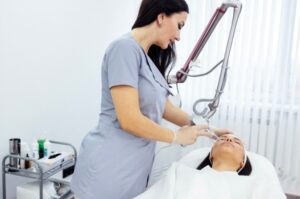
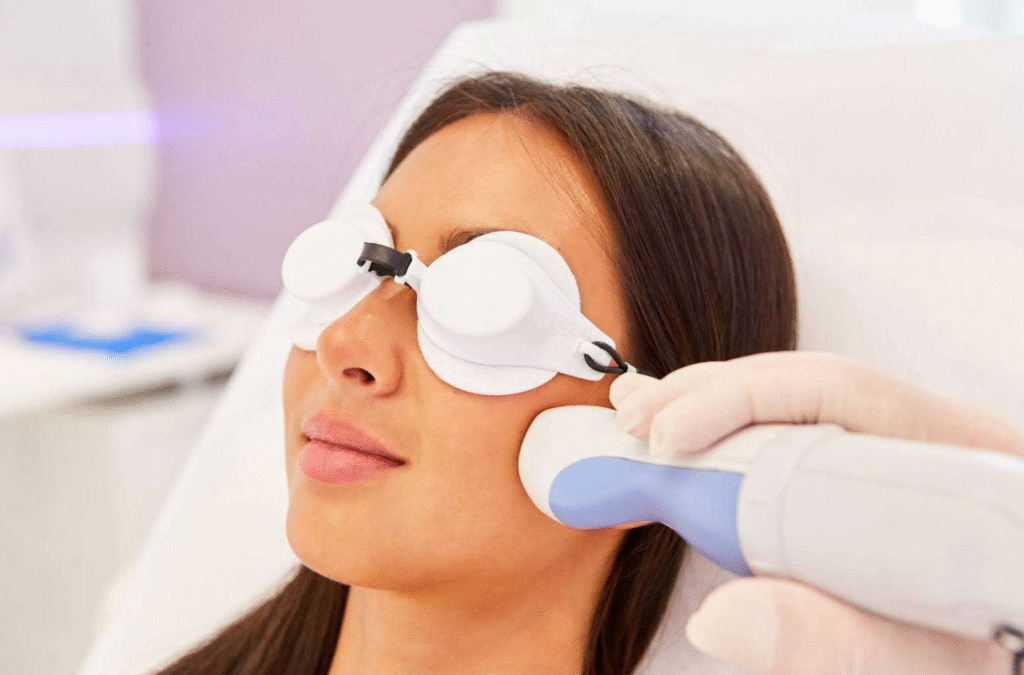
Laser scar resurfacing has become one of the most effective methods for reducing visible scars and improving overall skin texture. Since the procedure requires precision and a deep understanding of laser technology, people are encouraged to seek help from trained professionals who can evaluate the skin properly and choose the safest approach. As modern techniques continue to advance, this treatment offers smoother results with minimal downtime.
Understanding Laser Scar Resurfacing
Laser scar resurfacing is a dermatological procedure designed to reduce the appearance of scars by using controlled laser energy to remove damaged skin cells and stimulate new tissue growth. Over time, this creates smoother, more even skin. The technique is suitable for scars caused by acne, injury, surgery, burns, or other sources of skin trauma.
Unlike older methods that relied on aggressive exfoliation or chemical peeling, modern laser systems target scars with impressive accuracy. This allows specialists to treat only the damaged areas without harming surrounding tissue, leading to faster healing and improved results.
How the Process Works
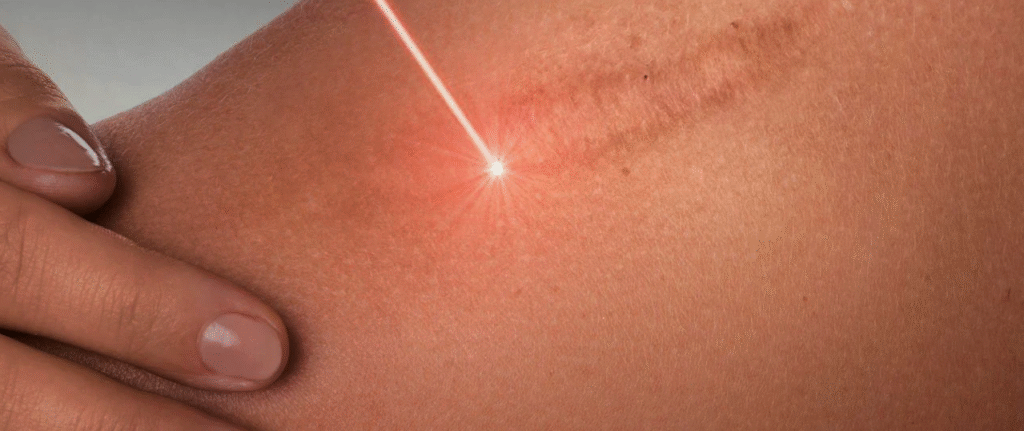
The effectiveness of laser scar resurfacing comes from its two main actions: resurfacing and collagen stimulation. During treatment, the laser creates micro-injuries in the skin, signaling the body to begin repairing itself. As new collagen forms, the skin becomes firmer, smoother, and more uniform in tone.
Different laser types may be used depending on the scar’s depth and characteristics. Some procedures gently heat the deeper layers of the skin without removing the surface, while others precisely remove thin layers of tissue to smooth out deeper irregularities. A specialist evaluates the scar before deciding which approach will provide the best outcome.
Although technology varies, the goal remains the same: encourage the skin to regenerate in a healthier, more structured way.
What to Expect During the Procedure
Before the session begins, the skin is thoroughly examined to determine its sensitivity and the characteristics of the scar. Numbing cream is usually applied to keep the patient comfortable. Once the area is prepared, the laser device is used to deliver controlled pulses of energy.
Most sessions last between 20 minutes and one hour, depending on the size of the treatment area. Some patients describe the sensation as warm or slightly prickly, similar to snapping a rubber band against the skin. After the procedure, the treated area may look red or slightly swollen, but this typically fades over the next few days.
In the majority of cases, normal activities can be resumed shortly after treatment, although sun exposure should be strictly avoided during the healing process.
Recovery and Expected Healing
Healing time varies based on the type of laser used. Non-ablative treatments require little to no downtime, making them attractive for people with busy schedules. Ablative treatments, which remove thin layers of skin, involve a longer recovery but often provide more dramatic results.
During the healing process, the skin may feel warm and tight, and mild peeling is normal. It’s important to follow aftercare instructions carefully, as proper care significantly affects the final outcome.
General aftercare may include:
- Keeping the skin moisturized
- Avoiding direct sunlight and using sunscreen daily
- Applying gentle, soothing products recommended by the specialist
- Avoiding makeup for a short period after treatment
Consistent care ensures that the skin heals evenly and reduces the risk of temporary pigmentation changes.
When Results Become Noticeable
Although some improvement can be seen after the first session, laser scar resurfacing works gradually. As collagen production increases, the skin continues to repair itself for several months. Patients often notice that scars appear shallower, skin texture feels smoother, and discoloration becomes less visible.
For deeper or older scars, multiple sessions may be recommended to achieve optimal results. Each session builds on the previous one, allowing the skin to regenerate layer by layer.
Many patients appreciate that the results look natural rather than artificial or overly dramatic. The goal is not to erase the scar completely but to make it significantly less noticeable and improve overall skin quality.
Is Laser Scar Resurfacing Safe?
Laser scar resurfacing is considered safe when performed by trained professionals using proper equipment. The precision of the laser helps reduce risks compared to older resurfacing methods. Still, a consultation is essential, as certain conditions such as active infections, uncontrolled acne, or a tendency to form keloids may affect eligibility.
Specialists adjust the intensity and type of laser according to the patient’s skin type, ensuring maximum safety and effectiveness.
Who Benefits Most From This Treatment?
This method is ideal for people who:
- Have acne scars
- Want to reduce surgical or traumatic scars
- Prefer a non-surgical solution
- Seek long-lasting skin improvement
- Want smoother texture and better tone
It’s also a good option for those who have tried creams or chemical treatments without significant results. Laser resurfacing targets deeper layers of skin where topical solutions often cannot reach.
Conclusion
Laser scar resurfacing offers patients a reliable way to soften, smooth, and rejuvenate scarred skin. With advanced technology, careful evaluation, and professional care, the procedure delivers natural improvements that continue to enhance the skin over time. For anyone seeking a safe and effective method to reduce the visibility of scars, this treatment provides a modern and trusted solution.