Marine interior design is entering a new phase as boat owners pay more attention to comfort, appearance, and material performance. Seating is becoming an important part of this shift, with updated textures, softer colors, and improved upholstery options influencing renovation decisions. The growing interest in boat seat materials reflects a broader demand for interiors that combine contemporary style with the practical requirements of life on the water. Marine upholstery specialists, including Boat Upholstery Fort Lauderdale, help boat and yacht owners explore customized solutions for upgrading their seating and interiors.
Marine Design Moves Toward More Refined Interiors
Traditional nautical styling is gradually making room for more restrained design choices. Instead of relying entirely on dark blue upholstery, decorative ropes, and recognizable maritime patterns, modern interiors increasingly feature neutral colors and subtle details.
Cream, warm gray, beige, and muted blue create a calmer atmosphere. These shades can complement different vessel styles, from compact recreational boats to larger luxury yachts.
This change also influences the selection of boat seat materials. Owners are looking for finishes that feel contemporary without becoming difficult to maintain. Textured surfaces, understated stitching, and coordinated panels allow seating to look distinctive while preserving a clean overall design.
Material Performance Remains a Major Priority
Appearance may attract attention, but marine conditions ultimately determine whether an upholstery choice is practical.
Seats experience sunlight, humidity, salt spray, and repeated contact with passengers. Ordinary furniture coverings may not withstand these conditions for long.
Marine-grade vinyl remains a popular solution because many products combine moisture protection, UV resistance, and convenient cleaning. Specialized marine fabrics provide additional options for owners who prefer softer textures or more breathable surfaces.
When evaluating boat seat materials, buyers should examine technical specifications rather than relying on product descriptions alone. Resistance ratings, intended applications, and maintenance instructions help determine whether a particular finish suits exposed seating or protected cabin areas.
Cooler Seating Is Becoming More Important
Dark upholstery can absorb significant heat when exposed to direct sunlight. This creates an uncomfortable experience for passengers, particularly in regions with warm climates.
Manufacturers are responding with specialized surface technologies and color options designed to reduce heat absorption. Some upholstery products use reflective pigments or other treatments to help control surface temperatures.
Lighter colors can also make a practical difference. White, cream, and light gray remain popular choices for exposed seating, although owners should consider cleaning requirements before selecting very light finishes.
These developments are encouraging buyers to assess boat seat materials according to both appearance and comfort in different weather conditions.
Customization Is Changing the Look of Boat Seating
Another noticeable development is the growing interest in personalized interiors. Boat owners increasingly want seating that reflects the character of their vessels rather than relying on standard factory combinations.
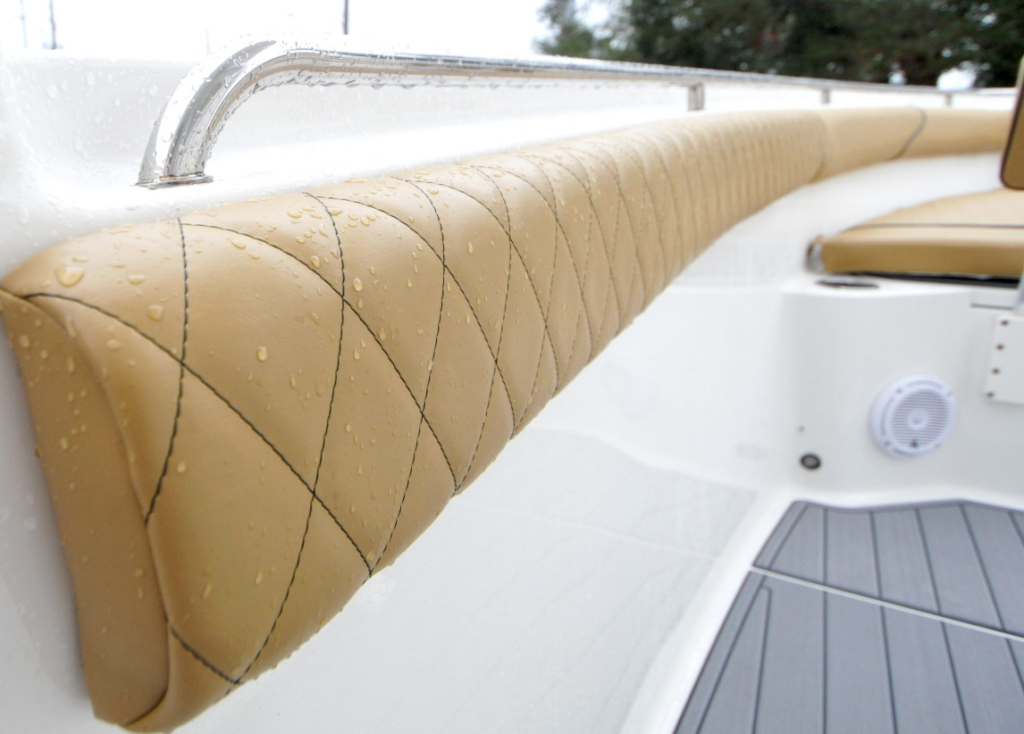
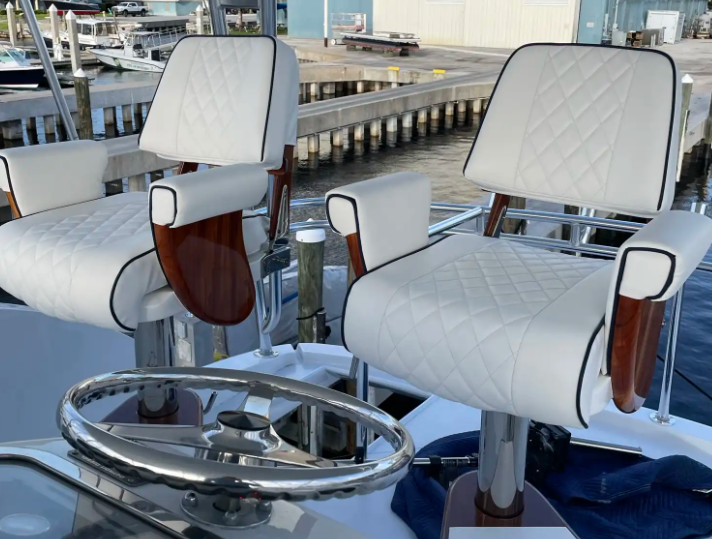
Custom stitching, contrasting piping, textured inserts, and embroidered details can give an interior a more individual appearance. Two-tone upholstery is particularly useful because it introduces contrast without requiring complicated patterns.
However, customization should remain practical. Decorative elements need appropriate construction, and every covering must suit its intended environment.
Combining different boat seat materials and finishes can create a distinctive result, provided that the products offer compatible maintenance requirements and performance characteristics.
Comfort Depends on the Entire Seating System
Upholstery is only one part of a comfortable seat. Foam quality, cushion dimensions, backrest support, and overall construction also influence how passengers feel during longer journeys.
Over time, foam can lose its resilience and become uneven. Replacing only the exterior covering may not solve the problem if the internal cushioning has already deteriorated.
A well-planned renovation should therefore evaluate the complete seating system. Owners may need new foam, repaired seams, updated covers, or adjustments to cushion shapes.
Selecting appropriate boat seat materials alongside supportive cushioning helps achieve a more balanced result.
Sustainability and Longer Product Life
Marine owners are also paying closer attention to the lifespan of interior products. Replacing upholstery frequently creates additional expenses and unnecessary material waste.
Choosing durable coverings, maintaining them properly, and repairing individual seating sections when possible can extend the useful life of an interior.
Some manufacturers are also introducing products with recycled or renewable content. However, buyers should review the available documentation and compare these options with conventional alternatives in terms of durability, cleaning, and suitability for marine applications.
The most responsible choice is not necessarily the newest product. It is a material that performs reliably and meets the actual requirements of the vessel.
What Boat Owners Should Consider Before Renovating
An interior upgrade requires more than selecting a fashionable color. Owners should first examine the condition of existing cushions, identify areas with the greatest exposure, and establish realistic maintenance expectations.
Several factors deserve attention:
- UV and moisture resistance for exposed seating.
- Foam condition and passenger support.
- Cleaning requirements and surface durability.
- Color coordination with the rest of the interior.
- Quality of stitching and installation.
- Manufacturer warranties and product specifications.
Comparing these details can help prevent expensive decisions based only on appearance.
Final Thoughts
Changes in marine interior design show that boat owners increasingly expect seating to deliver both visual appeal and everyday practicality. Modern colors, personalized finishes, improved surface technologies, and greater attention to comfort are influencing upholstery choices.
The development of boat seat materials gives owners more opportunities to create interiors that reflect their preferences while addressing the challenges of marine environments. Careful selection and professional installation remain essential for achieving a result that looks attractive and performs reliably.