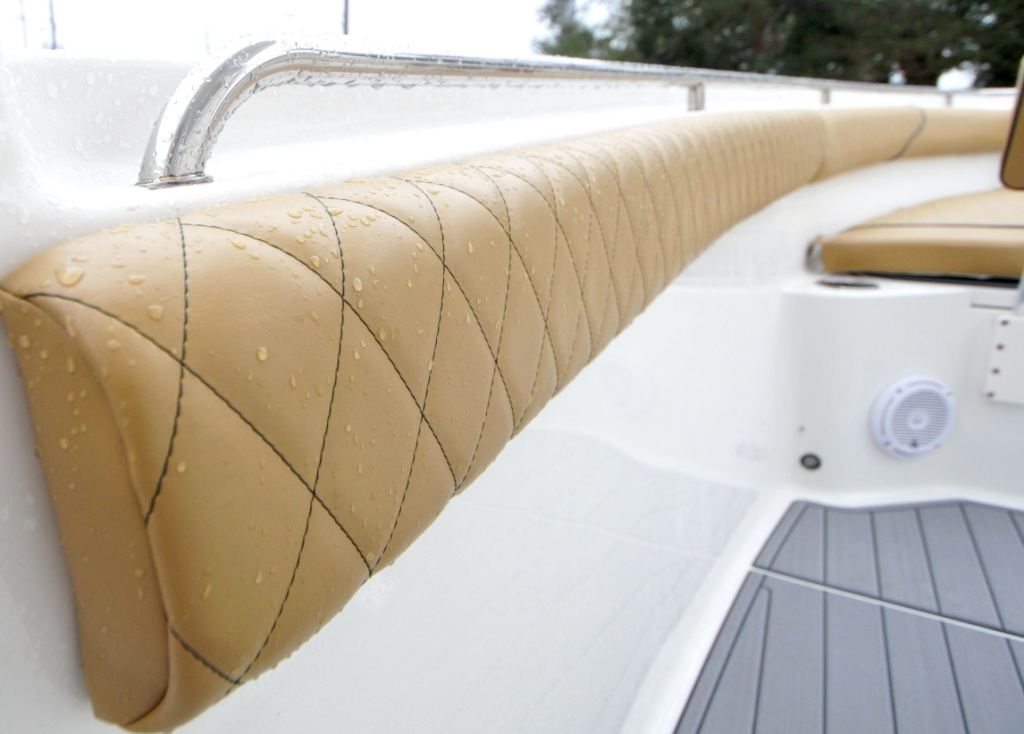
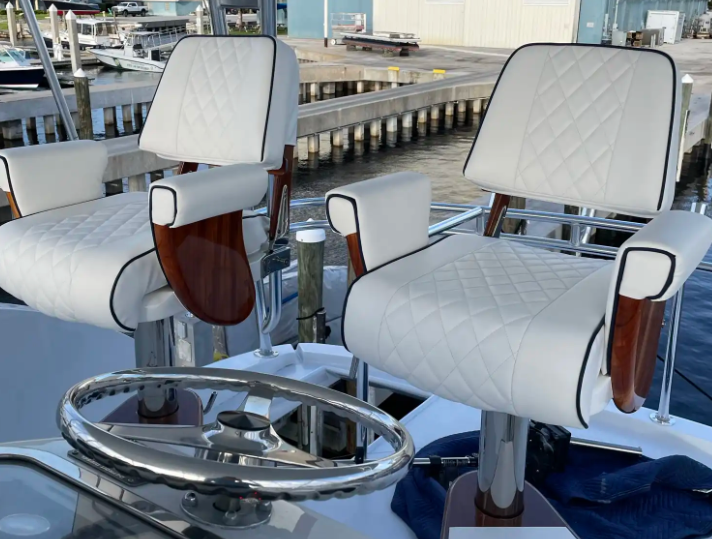
An upholstery boat seat can influence much more than the appearance of a vessel. Seating affects passenger comfort, the atmosphere inside the boat, and even how owners feel about an older interior. After years of exposure to sunlight, moisture, salt, and repeated use, marine seats can lose their original appearance and support. Fortunately, a thoughtful restoration can address these problems without requiring a complete interior renovation. If you are planning an upgrade, you can explore professional marine upholstery services here from Boat Upholstery Broward, a company specializing in upholstery for boats and yachts.
When Is It Time to Update Boat Seating?
Marine upholstery rarely fails all at once.
Instead, owners usually notice gradual changes. Colors become less vibrant, surfaces become harder or more brittle, and seams may begin to separate. Cushions can also become flatter as foam loses its original density.
Some of the clearest warning signs include:
- Cracked vinyl
- Faded surfaces
- Loose stitching
- Uneven cushions
- Flattened foam
- Persistent moisture
- Unpleasant odors
Recognizing these problems early can make restoration easier and help prevent additional damage.
The Material Should Match the Environment
A boat seat operates in a much harsher environment than indoor furniture.
Sunlight, water, salt, humidity, and changing temperatures can all affect upholstery. This makes marine-grade material an important part of any restoration project.
When choosing a new covering, owners should consider:
- UV resistance
- Water resistance
- Mold resistance
- Cleaning requirements
- Surface durability
- Color stability
A suitable material can help the upholstery remain attractive while handling regular exposure to marine conditions.
Foam Can Make a Bigger Difference Than Expected
Replacing the outer covering may create an immediate visual improvement, but the foam underneath determines much of the seating experience.
Old foam can compress permanently after years of use. It may also absorb moisture if water reaches the interior through damaged seams or surfaces.
A complete upholstery boat seat evaluation should therefore include the cushion structure. Replacing worn foam can restore support and help the new covering maintain its intended shape.
Design Updates Can Modernize an Older Vessel
Owners do not have to reproduce the original factory design.
A restoration offers an opportunity to introduce a different color scheme or more contemporary details. Even a modest change can make an older boat feel significantly fresher.
Popular choices include:
- Two-tone marine vinyl
- Contrasting stitching
- Decorative piping
- Textured surfaces
- Custom embroidery
- Coordinated cushions
The most effective designs balance appearance with everyday practicality.
Think About Comfort During Long Trips
A seat that feels fine for thirty minutes may not feel comfortable after several hours.
Owners who regularly cruise, fish, or travel should consider how seating performs over extended periods. Proper foam density, supportive backrests, and well-shaped cushions can reduce discomfort and improve the overall experience.
An upholstery boat seat restoration can address these factors while preserving the existing layout of the vessel.
Maintenance Begins After Installation
New upholstery still needs protection from the elements.
Cleaning salt and dirt after each trip can help prevent buildup. Owners should also allow wet cushions to dry completely rather than leaving moisture trapped beneath covers.
A useful maintenance routine includes:
- Wiping down seats after use
- Removing salt residue
- Drying wet cushions
- Inspecting seams
- Cleaning spills quickly
- Using appropriate marine products
These simple habits can help preserve both the appearance and performance of the seating.
Consider the Boat’s Storage Conditions
How a boat is stored can have a major effect on upholstery.
A vessel kept outdoors faces more direct sunlight and weather exposure than one stored under cover. Even when the boat is not being used, UV radiation and moisture can continue affecting the interior.
Using fitted covers and allowing ventilation can help protect an upholstery boat seat between trips. Owners should also avoid trapping damp cushions under covers for extended periods.
Restoration Can Protect More Than Appearance
A damaged seat may seem like a cosmetic issue, but deterioration can eventually reach deeper materials.
Water entering through cracks or failed seams can affect foam and supporting structures. Early restoration can help limit this progression and protect more of the interior.
For owners planning to keep their vessels for many years, maintaining the seating can therefore be part of a broader preventive maintenance strategy.
Final Thoughts
Boat seating deserves careful attention because it combines comfort, functionality, and constant exposure to demanding conditions. A well-planned upholstery boat seat restoration can address visible damage while improving the support and durability of the entire seating system.
By choosing marine-grade materials, checking the foam, considering practical design, and following a regular maintenance routine, owners can give their boats a refreshed interior that remains comfortable and attractive through many seasons.